
- Safe
- Eco-Friendly
- Certified
Mold Remediation Stuart
Fast, reliable, and affordable mold solutions for your home or business.
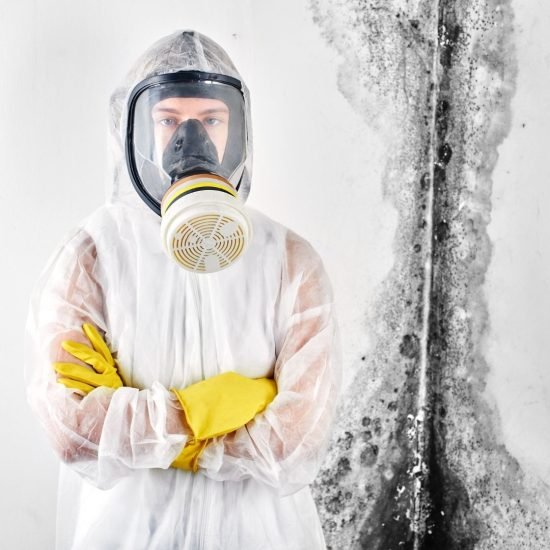
Years of experience
About Us
At StuartMoldRemoval.net, we provide professional mold inspection, removal, and remediation services throughout Stuart and the Treasure Coast. Our licensed and insured specialists use proven methods to eliminate mold safely and effectively—protecting your property and your health.
With years of local experience, we’ve helped hundreds of homeowners and businesses restore their spaces and breathe easier.
- Licensed & Certified Technicians
- Eco-Friendly, Child-Safe Methods
- Fast Response & On-Time Service
Why Choose Us
Certified Experts – Licensed & insured mold remediation specialists.
24/7 Emergency Service – We respond quickly when you need us most.
Satisfaction Guaranteed – We don’t stop until your property is safe.
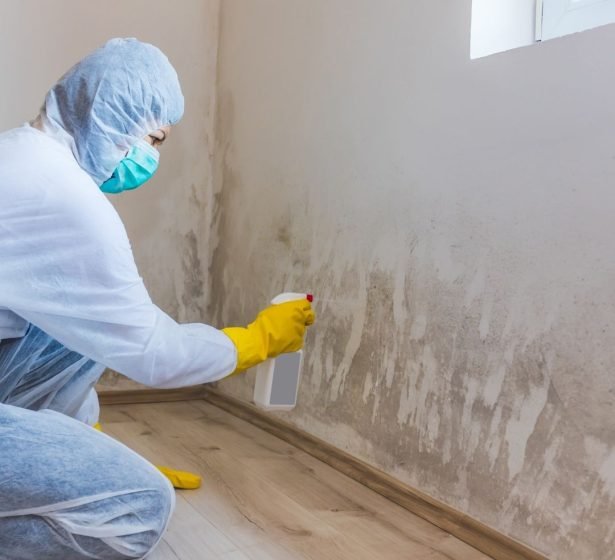
Our Mold Removal Services
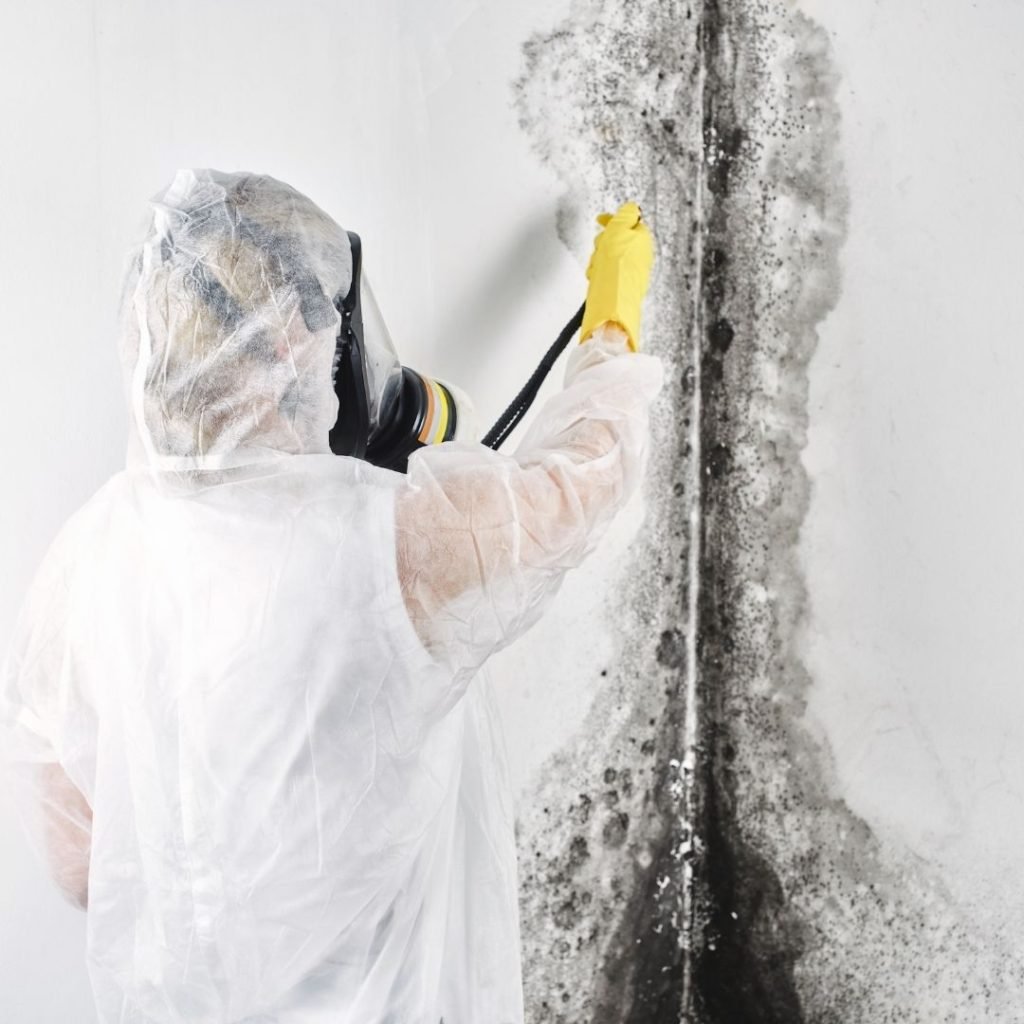
Mold Inspection & Testing
We use advanced tools to detect mold growth, even behind walls, and provide lab-tested reports.
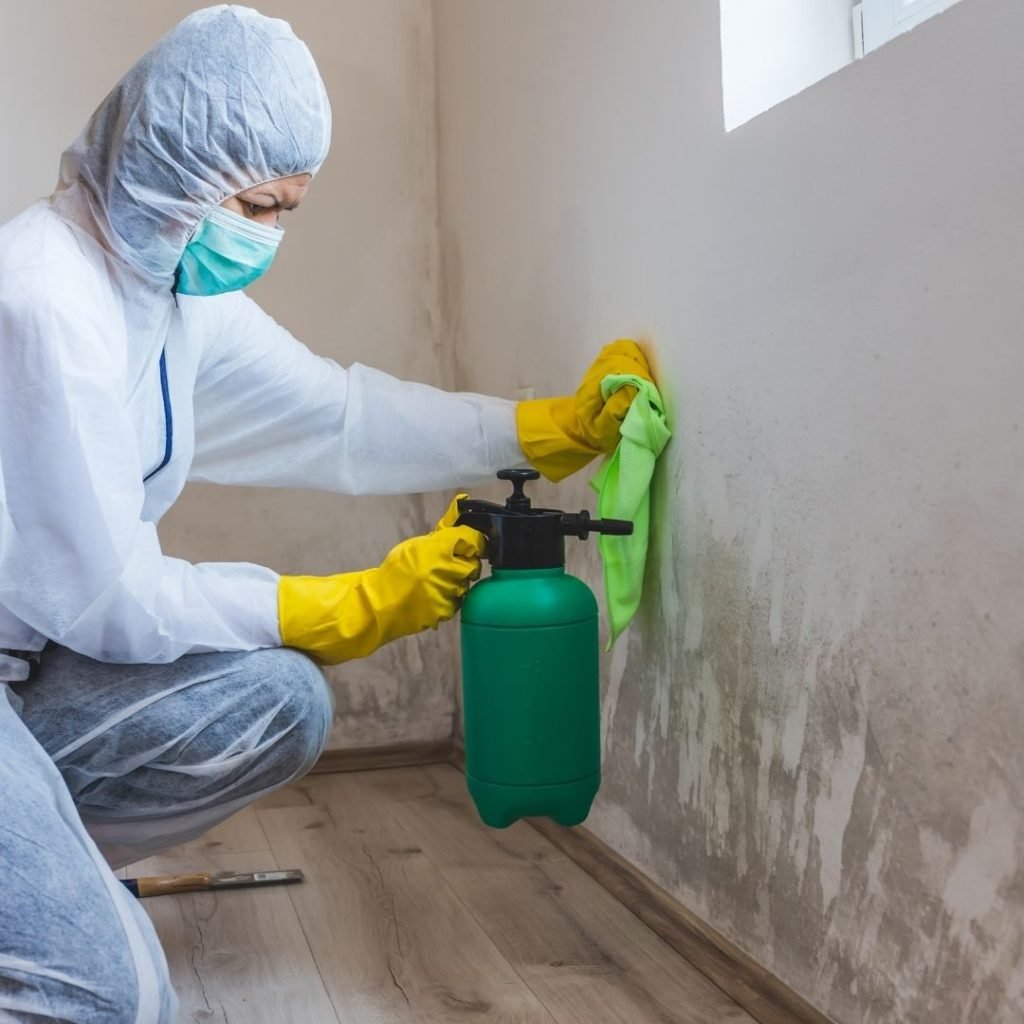
Mold Removal & Remediation
Safe containment and removal using EPA-approved methods to prevent spreading.
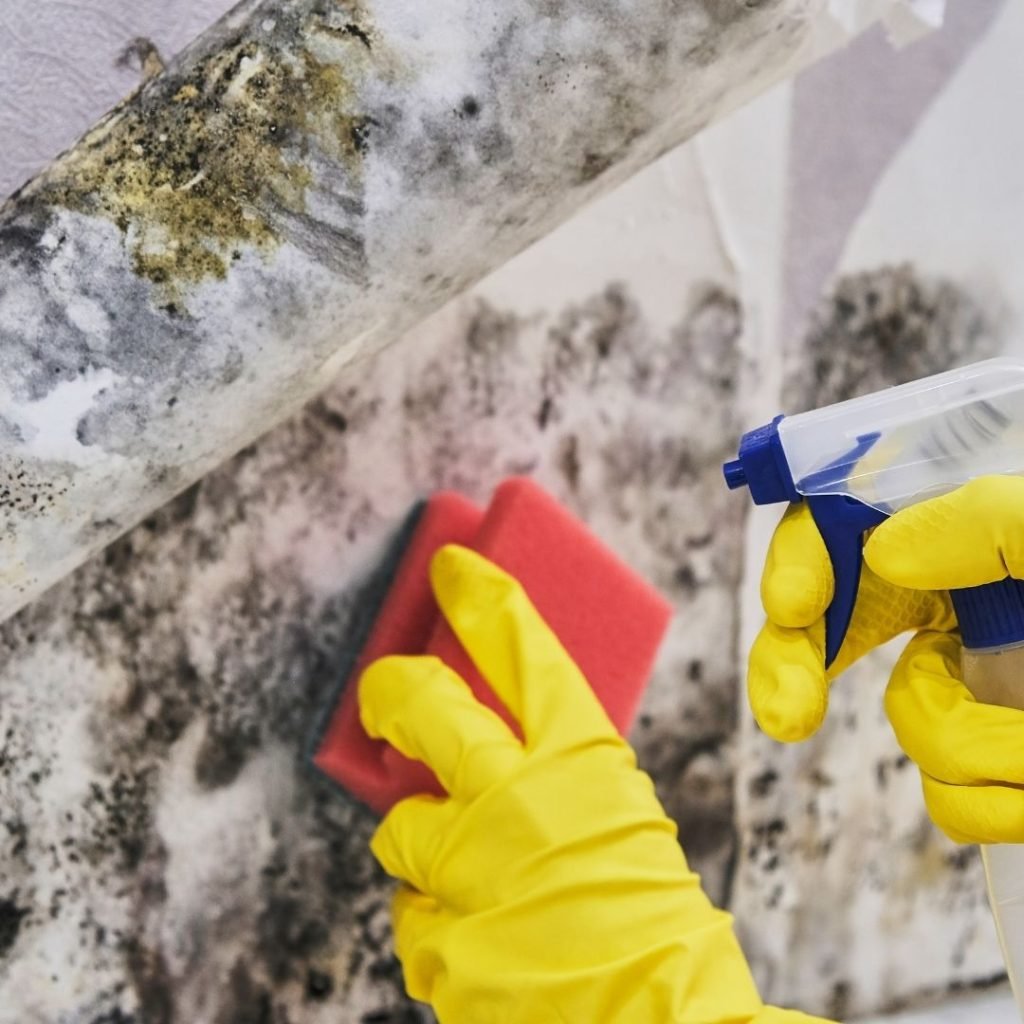
Water Damage & Moisture Control
Identify and eliminate moisture sources to stop mold from returning.
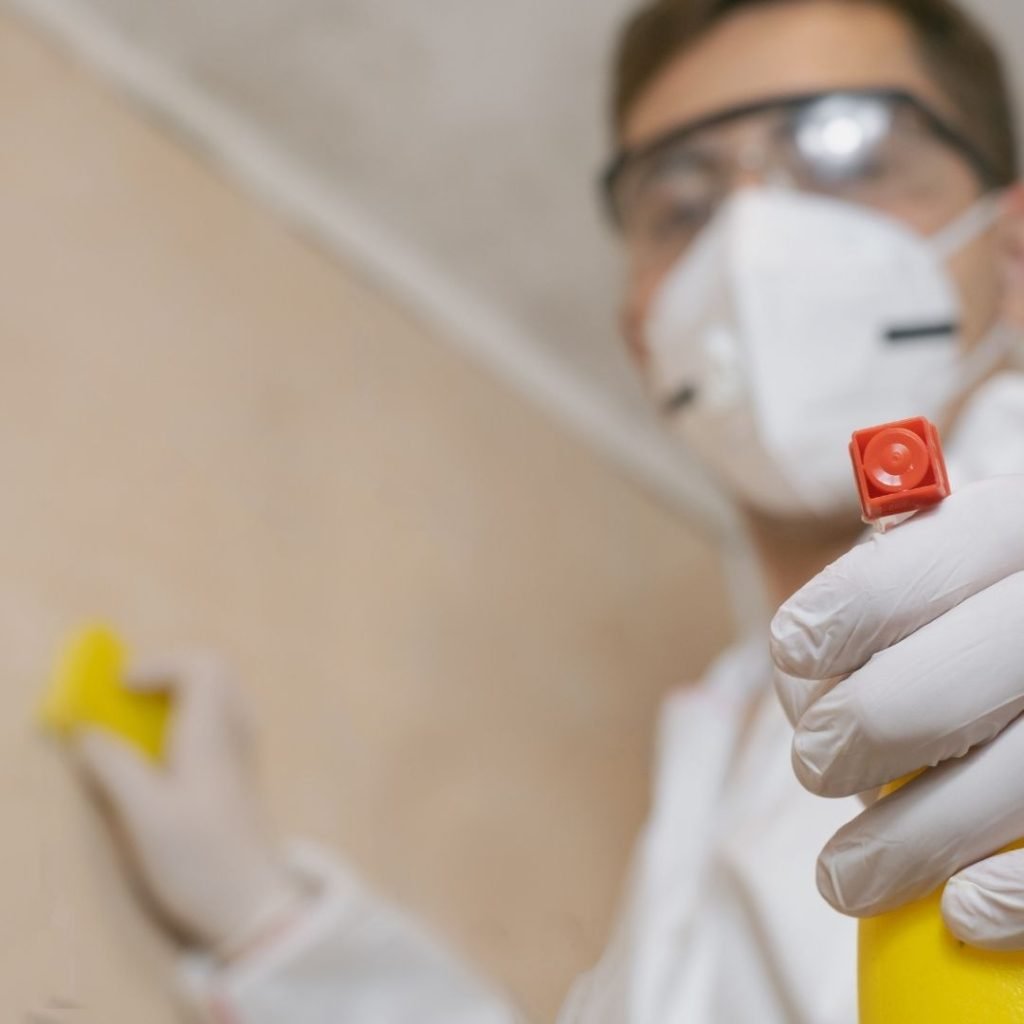
Locations
Areas Served
The Importance of Professional Mold Remediation Stuart FL Services Over Free Inspections
When it comes to addressing potential mold issues in your home, the concept of a “free mold inspection” may seem appealing at first glance. However, these free services often come with significant drawbacks that homeowners should carefully consider. While saving money is always a priority, understanding the limitations and risks associated with free mold inspections can save you from larger problems down the line.
Lack of Credibility and Expertise
- Uncertified Inspectors: Many companies offering free inspections may not employ professionally trained inspectors. Without proper certification (such as from IICRC or NORMI), their ability to identify mold accurately is limited.
- Incomplete Evaluations: A free inspection might focus only on visible areas, overlooking hidden mold growth in walls, attics, or ventilation systems.
- Biased Results: Some providers may not prioritize objective results. Their goal might be to upsell costly remediation services rather than providing an honest assessment.
Risk of Hidden Costs
- Pressure to Pay for Lab Testing: Some companies will offer a free inspection but insist on additional lab testing at premium costs for confirmation.
- Aggressive Upselling: After identifying potential issues (real or exaggerated), inspectors might pressure you into purchasing unnecessary treatments or services.
Free Mold Inspection | Professional Mold Inspection |
Often performed for upselling | Focused solely on accurate assessment |
May miss hidden issues | Comprehensive evaluation |
Limited expertise | Certified professionals |
Limited Tools and Technology
- No Use of Air Sampling: Free inspections usually skip air quality testing, which is critical in identifying airborne spores.
- Overlooking Moisture Issues: Without moisture meters, inspectors may fail to detect water intrusion—the root cause of most mold problems.
Conflict of Interest
- Inspectors might exaggerate findings to justify expensive removal services.
- Some companies could downplay serious issues if their remediation capacity is inadequate.
Why a Paid Professional Inspection Is Worth Considering
- Access to skilled experts who are certified and experienced in detecting all types of mold.
- A detailed report with accurate findings supported by advanced equipment.
- Objectivity—inspection-only companies have no vested interest in advocating unnecessary remediation.
Free mold inspections can appear convenient but often fall short in reliability and transparency. Investing in professional evaluations helps ensure your home’s safety while avoiding unnecessary expenses or improper treatment plans.
Mold Remediation Professionals Stuart FL: Discover Common Household Mold Types and How to Eliminate Them
Mold is a common household issue that can pose significant risks to both property and health. Understanding the types of mold commonly found in homes and the appropriate methods for addressing them is essential for maintaining a safe living environment. Below, we will explore various types of mold and effective strategies for their removal.
Common Types of Mold Found in Homes
- Appearance: Often appears as green, white, or yellow patches.
- Common Locations: Found on walls, insulation, or food products.
- Health Risks: Can cause allergic reactions and respiratory infections, particularly in individuals with weakened immune systems.
- Appearance: Black or green spots with a powdery texture.
- Common Locations: Grows on upholstery, carpets, and HVAC systems.
- Health Risks: Known to trigger asthma symptoms and skin irritation.
- Appearance: Dark black or greenish-black patches with a slimy texture.
- Common Locations: Thrives in areas with persistent moisture (e.g., water-damaged drywall or ceilings).
- Health Risks: Linked to severe respiratory issues, chronic fatigue, and mental fogging.
- Appearance: Blue-green in color with a velvety texture.
- Common Locations: Appears on materials like wallpaper, fabrics, and water-damaged furniture.
- Health Risks: Can cause sinus infections and respiratory inflammation when airborne spores are inhaled.
- Appearance: Dark green or brown fuzz-like spots.
- Common Locations: Found near sinks, showers, or leaking windows where high humidity exists.
- Health Risks: Triggers allergic reactions similar to hay fever symptoms like sneezing or watery eyes.
How to Effectively Eliminate Mold
Taking prompt action when mold is discovered is crucial to prevent its spread and mitigate health risks.
- Identify the Source of Moisture Mold requires moisture to grow; therefore, addressing leaks or humidity issues should be your first step:
- Repair leaky pipes or roofs.
- Use dehumidifiers in damp spaces.
- Ensure proper ventilation in bathrooms and kitchens.
- Isolate Affected Areas Prevent further contamination by sealing off areas where mold has been identified:
- Close doors leading to the affected space.
- Cover vents temporarily while cleaning.
- Use Appropriate Cleaning Agents Different cleaning solutions are effective for various surfaces: | Surface Type | Recommended Cleaning Agent | Instructions | |——————-|———————————–|————————————————-| | Non-porous (tiles) | Bleach-water solution (1 cup bleach per gallon) | Wipe down thoroughly; let it sit before rinsing | | Porous materials (drywall) | Remove & replace material completely | Dispose safely; do not attempt to clean porous materials | | Upholstery/fabrics| Use vinegar spray or baking soda solutions | Wash if possible; air dry in direct sunlight |
- Wear Protective Gear Always protect yourself while dealing with mold by wearing:
- Gloves
- N95 respirator masks
- Goggles
- Dispose of Contaminated Items For severe infestations involving porous materials such as carpets:
- Bag contaminated items securely.
- Dispose according to local waste management guidelines without cross-contaminating other areas.
- Professional Remediation If an infestation covers over ten square feet—or involves toxic molds like Stachybotrys—consider hiring certified professionals who follow industry-standard containment protocols during removal efforts
By identifying specific types alongside implementing targeted removal actions.environments remain healthier long-term
Effective Mold Removal Stuart FL: Common Types Found in Homes and How to Eliminate Them
Mold can pose serious health risks and compromise the structural integrity of your home. Understanding the most common types of mold and how to address each is essential to maintaining a safe living environment. Below, we explore prevalent types of mold, their characteristics, and actionable steps for removing them.
Common Types of Mold Found in Homes
- Characteristics: A common indoor mold that thrives in warm, damp conditions. It appears as a powdery growth in colors ranging from white and yellow to green or black.
- Health Risks: Can cause allergic reactions, respiratory issues, and lung infections. Certain species produce mycotoxins that are harmful when inhaled.
- Common Locations: Found on food items, fabrics, walls, and HVAC systems.
- Characteristics: Known for its suede-like texture and dark green or black appearance.
- Health Risks: May trigger asthma symptoms, skin rashes, or eye irritation.
- Common Locations: Grows on wood surfaces, carpets, wallboards, and inside insulation.
- Characteristics: A slimy black or dark green mold often associated with severe water damage.
- Health Risks: Prolonged exposure can lead to chronic respiratory problems, fatigue, and even neurological effects in extreme cases.
- Common Locations: Found on cellulose-rich materials like drywall or paper products when moisture persists over time.
- Characteristics: Recognizable by its blue-green coloration and velvety texture.
- Health Risks: Can contribute to sinus infections or allergic reactions.
- Common Locations: Often grows on water-damaged furniture, wallpaper, carpeting, or foods.
- Characteristics: A fast-growing mold with a woolly texture that appears dark green or grayish-black.
- Health Risks: Known for triggering asthma attacks or allergic reactions in sensitive individuals.
- Common Locations: Typically found in damp bathrooms, kitchens, window sills, or under sinks.
How to Effectively Eliminate Mold from Your Home
- Assess the Extent of Growth
- Inspect all areas prone to humidity such as basements, bathrooms, attics, crawl spaces, windowsills, and HVAC systems.
- Use tools like moisture meters to identify hidden dampness behind walls or under flooring.
- Employ Proper Cleaning Techniques Use the following methods based on your situation: | Cleaning Agent | Best For | Application Method | |———————–|———————————|—————————————–| | White vinegar | Non-porous surfaces | Spray undiluted vinegar directly onto affected surfaces; let it sit for an hour before scrubbing clean. | | Baking soda solution | Light growth | Mix one teaspoon baking soda with two cups water; scrub gently onto surfaces then rinse thoroughly. | | Commercial mold remover| Severe infestations | Follow manufacturer instructions for application; wear gloves during use for protection.|
- Seal contaminated materials in plastic bags before removal to avoid spreading spores throughout your home.
- Dispose of them following local waste management guidelines.
- Installing exhaust fans in kitchens/bathrooms
- Regularly cleaning air vents
- Opening windows periodically
- Control Humidity Levels
Maintain indoor humidity levels below 50% by:- Using dehumidifiers
- Fixing leaky pipes/roofs immediately
Professional Assistance
For widespread infestations affecting multiple rooms—or when dealing with toxic molds like Stachybotrys—hiring licensed professionals is often necessary: – They’ll conduct thorough testing/sampling
– Utilize specialized equipment (e.g., HEPA vacuums) ensuring safe removal
Proactively addressing potential issues will help ensure safety both structurally & physically over time!
Understanding the Importance of Mold Inspection Stuart FL for Protecting Babies and Children
Mold exposure can pose serious health risks, especially for infants and young children. Due to their developing immune systems and smaller airways, children are more vulnerable to the harmful effects of mold than adults. Understanding how mold impacts babies and children is essential for parents who want to safeguard their homes and ensure a healthy environment.
Understanding Water Damage Restoration Stuart FL and Its Impact on Children’s Health
- Respiratory Issues
– Asthma Attacks: For children with asthma, mold exposure can trigger frequent attacks or worsen symptoms.
– Chronic Coughing: Prolonged exposure often leads to persistent coughing and throat irritation.
– Difficulty Breathing: Mold can irritate sensitive airways, causing wheezing or shortness of breath. - Allergic Reactions
Some molds produce allergens that can cause:
– Sneezing
– Runny nose and nasal congestion
– Itchy eyes and skin
Children with pre-existing allergies may experience heightened sensitivity when exposed to mold.
- Compromised Immune Systems
Infants’ immune systems are still developing, making them less equipped to handle the impact of mycotoxins (toxic substances produced by certain types of molds). This increases their risk of infections.
Effective Mold Remediation in Stuart FL to Prevent Behavioral Changes in Children
Symptom | Potential Impact |
Fatigue & Lethargy | Reduced energy levels affecting daily activities |
Irritability | Increased mood swings or behavioral outbursts |
Memory & Focus Issues | Difficulty concentrating in school or at home |
Parents should consult a pediatrician if they observe these symptoms alongside other signs of mold exposure.
Understanding Long-Term Risks with Stuart FL Mold Remediation
- Chronic Respiratory Diseases: Conditions like bronchitis or long-lasting asthma may develop if exposure persists without remediation.
- Weakened Immunity: Frequent illnesses due to compromised immunity could be a lasting consequence.
- Developmental Delays: Although rare, neurological issues linked to toxic black mold (Stachybotrys chartarum) have been reported in extreme cases.
Effective Mold Remediation Stuart FL: How Parents Can Protect Their Children
1. Regular Inspections
Schedule routine checks for areas prone to moisture buildup: – Bathrooms – Basements – Under sinks
2. Maintain Proper Ventilation
Ensure proper airflow by using dehumidifiers, exhaust fans, or opening windows when appropriate.
3. Address Water Damage Quickly
Fix leaks promptly as standing water creates an ideal environment for mold growth.
4. Use Non-Toxic Cleaning Solutions
When cleaning visible mold, opt for products that are safe for use around children rather than harsh chemicals that could cause further irritation.
By taking these preventive measures and responding swiftly when issues arise, parents can reduce their child’s risk of health complications caused by indoor molds.
Effective Mold Removal Stuart FL: Understanding the Difference Between Mold and Mildew
Mold and mildew are both types of fungi that can grow in damp and humid environments, but they have distinct characteristics, appearances, and implications for your home or health. Understanding the differences between mold and mildew is crucial for effectively addressing each problem.
How to Choose the Right Mold Specialist Stuart Residents Can Trust
Characteristic | Mold | Mildew |
Appearance | Fuzzy or slimy texture; colors range from green, black, or yellow. | Powdery or fluffy texture; typically gray or white. |
Growth Pattern | Penetrates surfaces, causing structural damage. | Grows on flat surfaces without penetrating deeply. |
Odor | Strong musty smell. | Mild or less noticeable odor. |
Common Locations | Walls, ceilings, carpets, insulation, wood. | Shower tiles, windowsills, fabrics. |
How to Identify Mold
Mold can often be identified by its dark pigmentation and irregular texture. It may appear fuzzy or slimy depending on the type of mold present. Common signs include:
– Discolored patches on walls, ceilings, or floors (often green, black, or brown).
– A strong musty odor lingering in specific areas of your home.
– Visible growth in consistently damp areas like basements or bathrooms.
Tools for Identifying Mold
- Flashlight: To inspect hidden corners where mold might thrive.
- Moisture Meter: Helps detect damp zones that may harbor mold.
- HVAC Filters: Check for any discoloration since filters often trap airborne spores.
How to Identify Mildew
Unlike mold’s darker hues and invasive nature, mildew tends to stay lighter in color (white to light gray) and appears flatter on surfaces like tile grout or fabric.
Signs of mildew include:
1. Thin layers of white powdery substance developing over time. 2. Surfaces that feel dry but still look discolored. 3. Areas with poor ventilation like bathrooms showing minor fungal growth.
Simple Test for Mildew Identification:
To test if a spot is mildew: 1. Dab the area with a cotton swab dipped in bleach. 2. Wait 5 minutes—mildew typically fades when exposed to bleach.
Managing Mold Growth Effectively
If you identify mold in your home:
1. Seal off the affected area to prevent spores from spreading through air circulation systems. 2. Wear protective gear such as gloves and an N95 mask before handling mold removal tasks. 3. Clean hard surfaces with a mixture of water and detergent; avoid using bleach directly unless advised by a professional.
For large infestations (over 10 square feet), professional remediation services may be necessary.
Addressing Mildew Safely
Mildew can usually be resolved using simple cleaning methods:
1. Scrub affected areas with vinegar or a diluted bleach solution. 2. Ensure proper ventilation by opening windows regularly or installing exhaust fans in humid spaces. 3. Apply commercial anti-fungal sprays designed specifically for mildew-prone zones like bathrooms.
Preventive Measures Against Mold & Mildew
Preventing future outbreaks is key to maintaining a healthy indoor environment:
– Maintain indoor humidity levels below 50% using dehumidifiers when needed. – Fix leaks in plumbing immediately to prevent moisture buildup behind walls or under sinks. – Regularly clean areas prone to moisture such as showers and basements.
By distinguishing between mold and mildew early on—and addressing them appropriately—you can protect both your property value and your family’s health while ensuring long-term prevention efforts are successful.